Where This Playbook Runs
The units behind the advice, on real streets.


The Owner's Guide
Every guide to being a Section 8 landlord seems to be written by someone who has never carried a voucher unit through an HQS inspection. We manage 850+ South Jersey units and own 130+ doors, most of it voucher housing, since 2018. This is the process, the trade-offs, and the numbers, the way we would explain them to a friend buying his first rental.
The Process
Becoming a Section 8 landlord is not an application you file. You become one the day a voucher holder applies for your unit and you take the tenancy through the housing authority's process. In New Jersey that process has six steps, and in our experience it takes about 90 days from paperwork to move-in when it is run cleanly. Here is the whole thing.
| Step | What happens | Typical timing |
|---|---|---|
| 1. List and screen | Advertise and screen the way you would for any tenant: credit, prior landlord references, criminal history, your standard income rules. New Jersey law bars rejecting an applicant because they hold a voucher, but it does not lower your screening bar. | Days 1-14 |
| 2. The RFTA packet | The tenant hands you a Request for Tenancy Approval. You complete the owner side: proposed rent, unit details, a W-9, and the lead paint disclosure on pre-1978 housing. Errors here are the number one cause of delays. | About a week |
| 3. PHA review | The housing authority checks your proposed rent against the payment standard and against comparable unassisted units nearby, a test called rent reasonableness. Price realistically and this step is quick. | 1-3 weeks |
| 4. The HQS inspection | An inspector walks the unit against Housing Quality Standards. The usual fails are small: missing handrails, dead GFCI outlets, peeling paint, missing smoke or CO detectors, a stove burner that will not light. Fix, reinspect, pass. | 2-4 weeks incl. reinspection |
| 5. HAP contract and lease | You sign the lease with the tenant and the Housing Assistance Payments contract with the PHA. The HAP contract is what obligates the housing authority to pay you. | About a week |
| 6. Move-in and first payment | The voucher portion arrives by direct deposit each month. The first payment often lags a cycle behind move-in, then arrives retroactive to lease start. After that it is the most punctual rent you will ever collect. | First deposit within 30-60 days |
Every county runs this slightly differently. Six counties means six housing authorities, each with its own forms, inspectors, and quirks. That is why our Section 8 management page breaks the process down county by county.
Where This Playbook Runs
The Trade-Offs
We own 130+ doors and manage 850+ units across South Jersey, and a large share of both run on vouchers. So this is not theory. Here is the honest ledger.
| The upside | The trade-off | |
|---|---|---|
| Rent reliability | The voucher portion, usually 60 to 100 percent of the rent, is direct deposited by the housing authority every month. | The tenant portion still needs collecting like any other rent. |
| Demand | PHA waitlists in South Jersey run years deep. A voucher-ready unit rents fast and rarely sits. | Your rent has to fit the payment standard for the unit's size and ZIP. |
| Turnover | Voucher tenants stay. On our own portfolio, Section 8 turnover runs roughly half our conventional rate. | The initial lease-up is slower, plan on up to 90 days from RFTA to move-in. |
| Inspections | Annual HQS inspections force the unit to stay maintained, which protects your asset. | Repairs on the fail list are on you, and the lease cannot start until the unit passes. |
| Paperwork | Once set up, the PHA side runs itself. Payments do not depend on a tenant's bank balance. | RFTA packets, renewal windows, and increase requests have hard deadlines that do not forgive. |
Who should skip it: if your unit needs major capital work to pass HQS, or your rent target sits well above the payment standard for its ZIP, Section 8 is the wrong tool and we will tell you that on the first call. For everyone else in the South Jersey price band, the voucher program is the steadiest rent stream in the market.
Rather Listen Than Read?
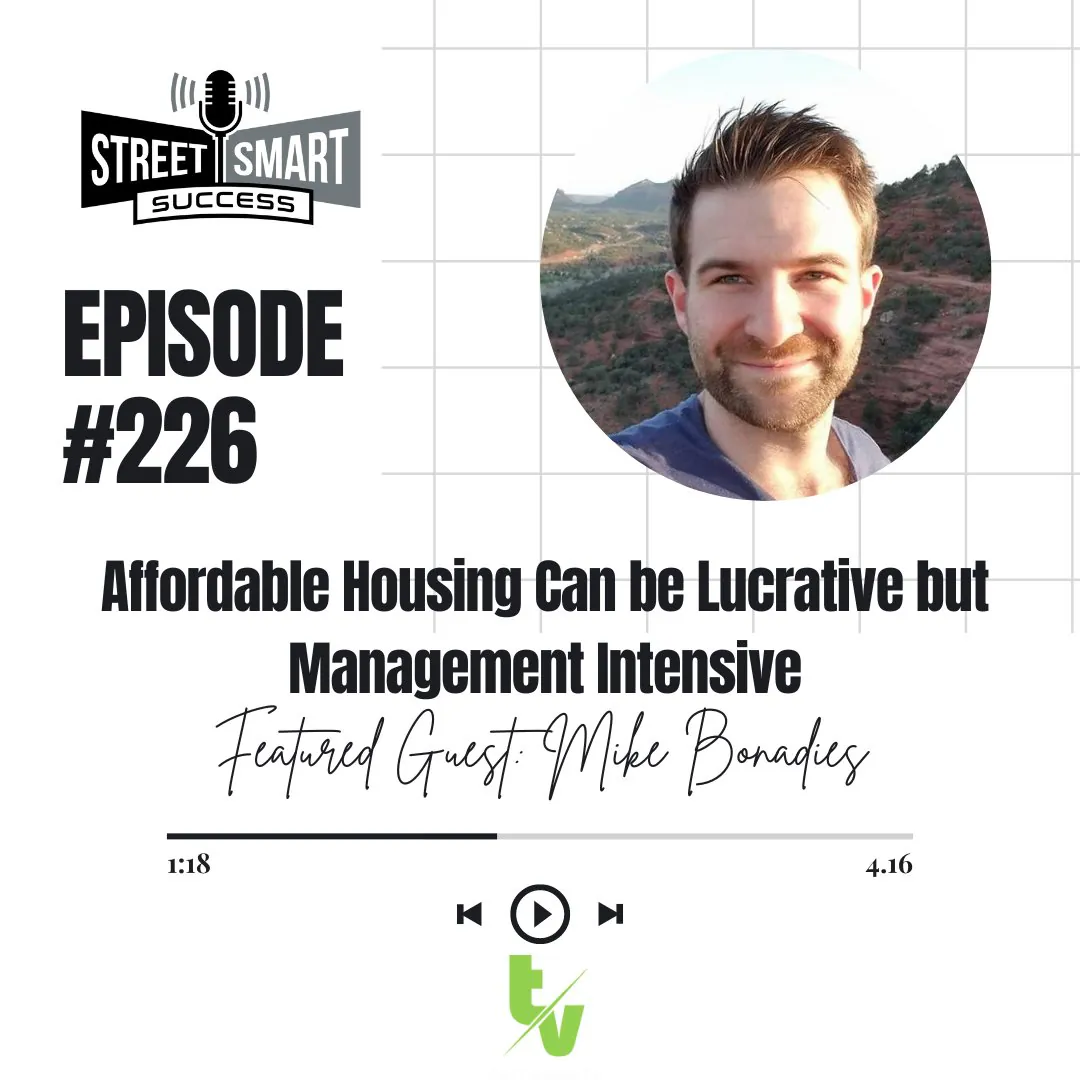
Our co-founder Mike Bonadies has broken down affordable housing, cheap rentals, and getting started as a landlord on national shows. Same playbook as this page, in his own voice.
For FY2026, the two-bedroom Fair Market Rent is $1,810 across Camden, Gloucester, Burlington, and Salem counties, $1,867 in Atlantic County, and $1,673 in Cumberland County, and your specific ZIP code can move those numbers meaningfully in either direction. We keep the full bedroom-by-bedroom table, and how the payment standard math works, on our NJ Section 8 payment standards page.
Common Questions
New Jersey law prohibits source-of-income discrimination, so you cannot reject an applicant because they hold a voucher. You can still apply your normal screening criteria: credit, references, criminal history, and income rules, applied the same way to every applicant.
Plan on 90 days from RFTA submission to move-in, and the first housing authority deposit within 30 to 60 days after that, paid retroactive to lease start. After the first check, the voucher portion arrives on schedule every month.
Health and safety basics: working smoke and CO detectors, GFCI outlets near water, secure handrails, no peeling paint, functioning heat and hot water, windows that open and lock, a stove and fridge that work. Most fails are under $500 to fix. Units needing major systems work are a different conversation.
Yes, plenty of owners do. The catch is that the process punishes missed deadlines: a late RFTA correction, a missed reinspection, or a blown rent-increase window costs you weeks of rent. If you self-manage, build a calendar for every PHA deadline. If you would rather not, that calendar is literally our job. See what full management includes.
Free Owner Consult
Bring us the address. We will tell you what the unit would rent for on the program, what HQS will flag, and whether it is worth doing. Free, and honestly answered even when the answer is no.
Or use the form on our For Owners page.